There is an ancient Confucian proverb that “the beginning of wisdom is the ability to call things by their right name.” As the proverb suggests, misnomers and implicitness detract from clarity and understanding. There is utility in this wisdom as we consider the various terms, philosophies and hobbies that collide within the outdoor realm. For more articles related to bushcraft and fieldcraft be sure to check out our archives!
Bushcraft vs Fieldcraft
Today, bushcraft is a catch-all term used in popular culture to highlight many things related to the outdoors. “Bushcraft” gear layouts circulate social media. Events and companies advertise with “bushcraft” fully entwined in their identity. Fundamentally, we can trace the origins of bushcraft to the 19th Century woodcraft movement and Australian wilderness or “bush” living skills. Bushcraft, therefore, is a set of knowledge, skills and practices for existence in and through nature. While bushcraft is a broad sweeping term, in its truest form bushcraft emphasizes a reliance on nature.
Fieldcraft, another popular term, might be considered a subset of bushcraft or a separate school of thought. Fieldcraft as I see it, the knowledge and skillsets practiced in a field environment (nature) employed toward a tactical purpose. Fieldcraft, therefore, is primarily associated with the military. However, fieldcraft may span to other professions and services such as law enforcement, search and rescue, and conservation work.
While fieldcraft encourages the application of knowledge and skills in nature, there are limitations to the practitioner’s reliance on wild resources. This limited use of natural resources derives from the inherent tactical application that fieldcraft serves. In short, use of natural resources may not always be efficient, appropriate, or tactically sound in a tactical environment.
Bushcraft in contrast, relies on natural resources to the extent the law and practitioner’s comfort or experience allows. With a bushcraft mindset, working through and with nature can be an end in itself. With a fieldcraft mindset, working through and with nature is a means to obtain a tactical end, maintain a tactical posture or sustain a tactical effort.
Why does the distinction matter?
The distinction between fieldcraft and bushcraft should not exist to fully seat individuals in one camp or the other. Rather, understanding the nuances of two schools of thought help us better match knowledge, skills and tasks with purpose. Our world is saturated with information about the wilderness and how to thrive in it. It is critical that we acknowledge that others may not share our same objectives.
Understanding the nuances of bushcraft vs. fieldcraft provides a starting place to reflect on our personal objectives or needs when it comes to wilderness knowledge. Those with tactical needs should cater their training, learning and kit toward those objectives. Meanwhile, those seeking a more aesthetic experience with a focus on working through nature can take a different approach to many situations.
Without clarity of purpose (intent) we may find ourselves arbitrarily mimicking actions. This presents an even greater challenge in a world of social media short reels, outdoor influencers, and constant efforts to be heard rather than understood.
Practitioners should strive to understand the “why” behind actions and not just the “what.”
Bushcraft and Fieldcraft in Application
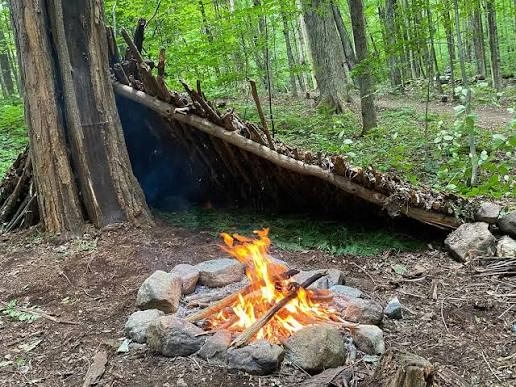
In application bushcraft and fieldcraft can look the same. For example, both bushcraft and fieldcraft mindsets might encourage the construction of a natural shelter. Perhaps what is more important is the purpose behind respective actions. A bushcrafter’s intention may be to carry less weight in shelter material and to encourage a connection to the landscape. A fieldcrafter’s intentions may overlap in regard to weight savings but depart in the tactical intent. Specifically, a natural shelter may also provide better camouflage from adversaries for a practitioner of fieldcraft.
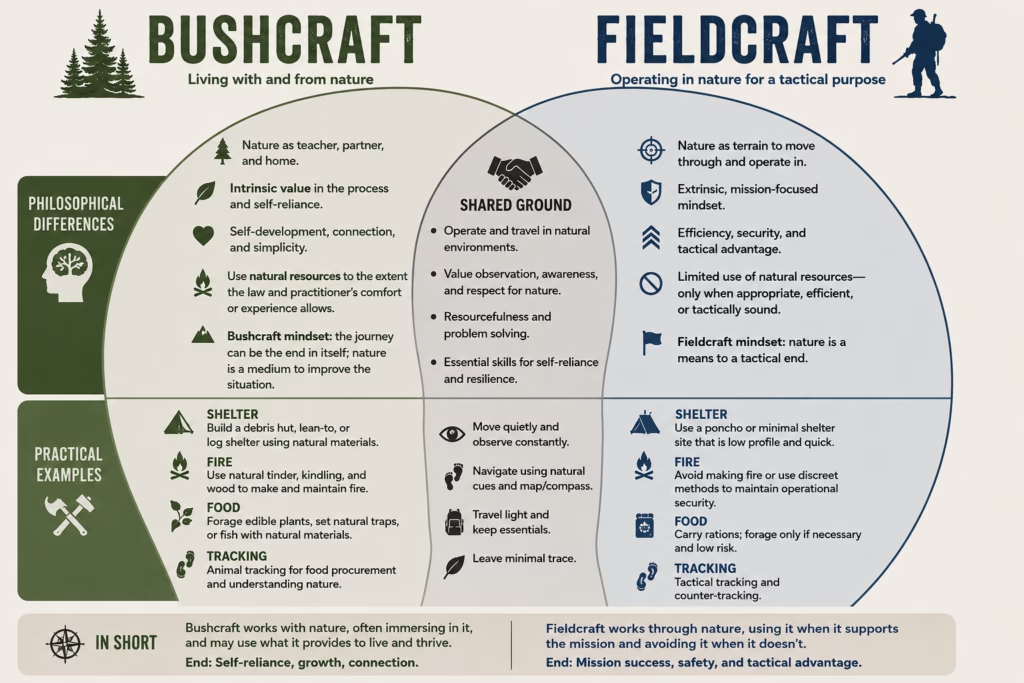
Figure 1. below, while imperfect, conveys some ways we can conceptualize the similarities and differences between bushcraft and fieldcraft.
From my perspective, fieldcraft has a higher tolerance for the integration of gear to optimize efficiency. Meanwhile, bushcraft, in its purest form, seeks to minimize equipment and maximize the use of natural resources to gain efficiency. Today’s perversion of “bushcraft” degrades this emphasis on natural resources. The over-reliance on gear and perverse marketing in the bushcraft community is a separate but important discussion.
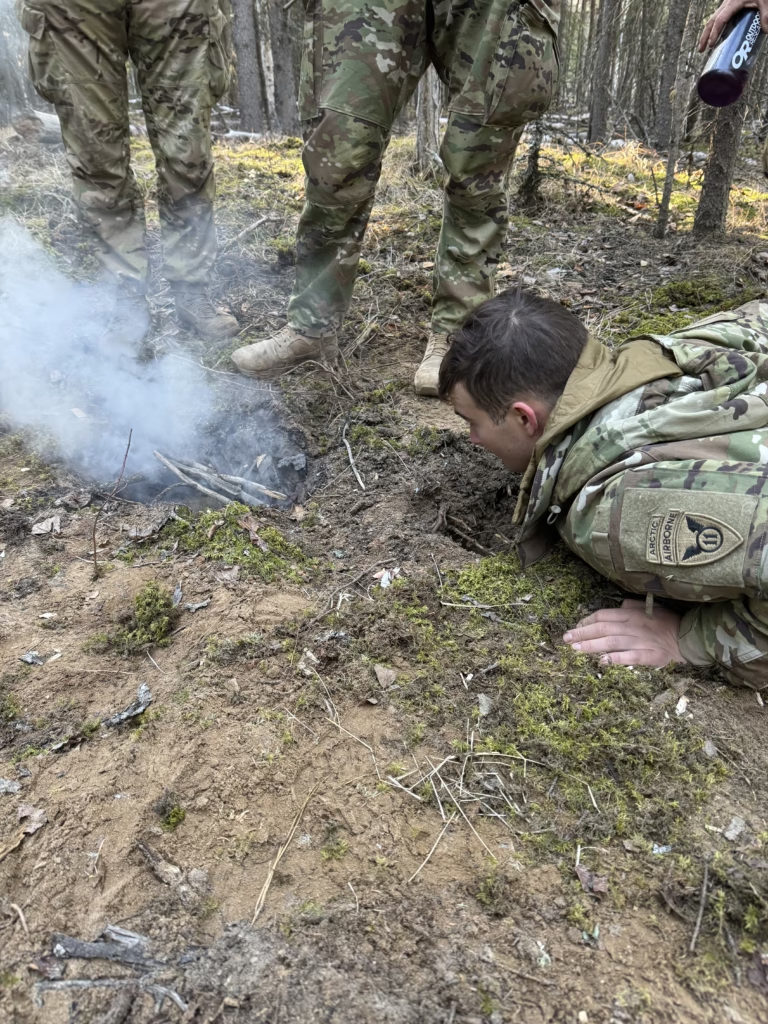
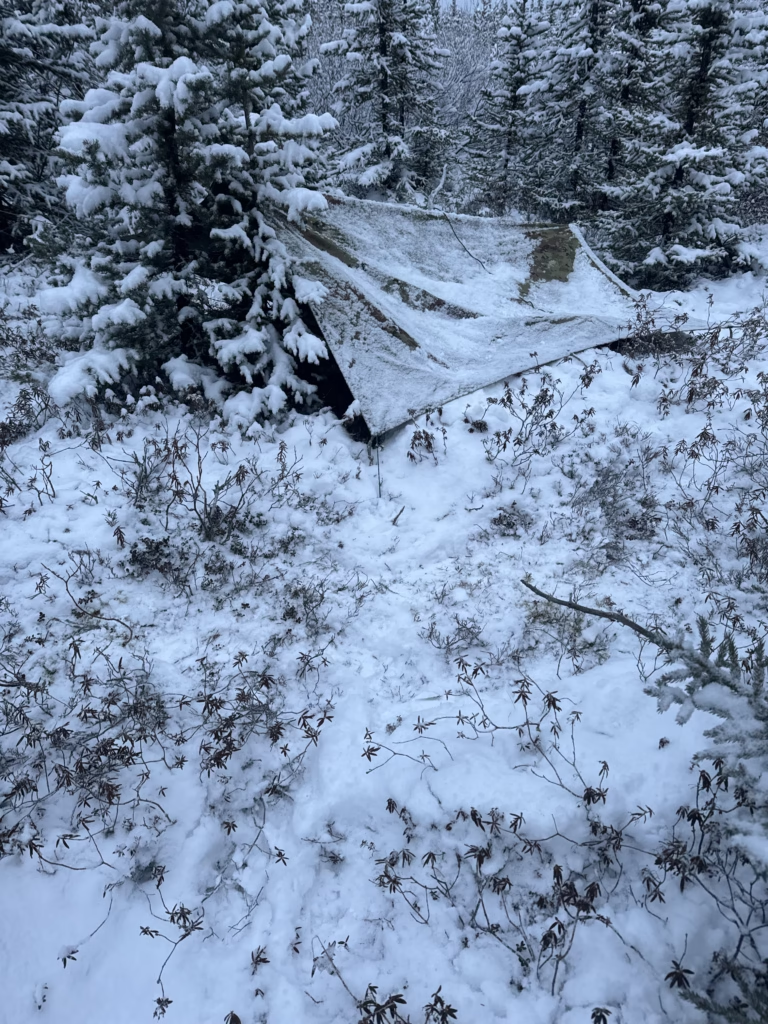
(Image does not imply official Department of Defense Endorsement)
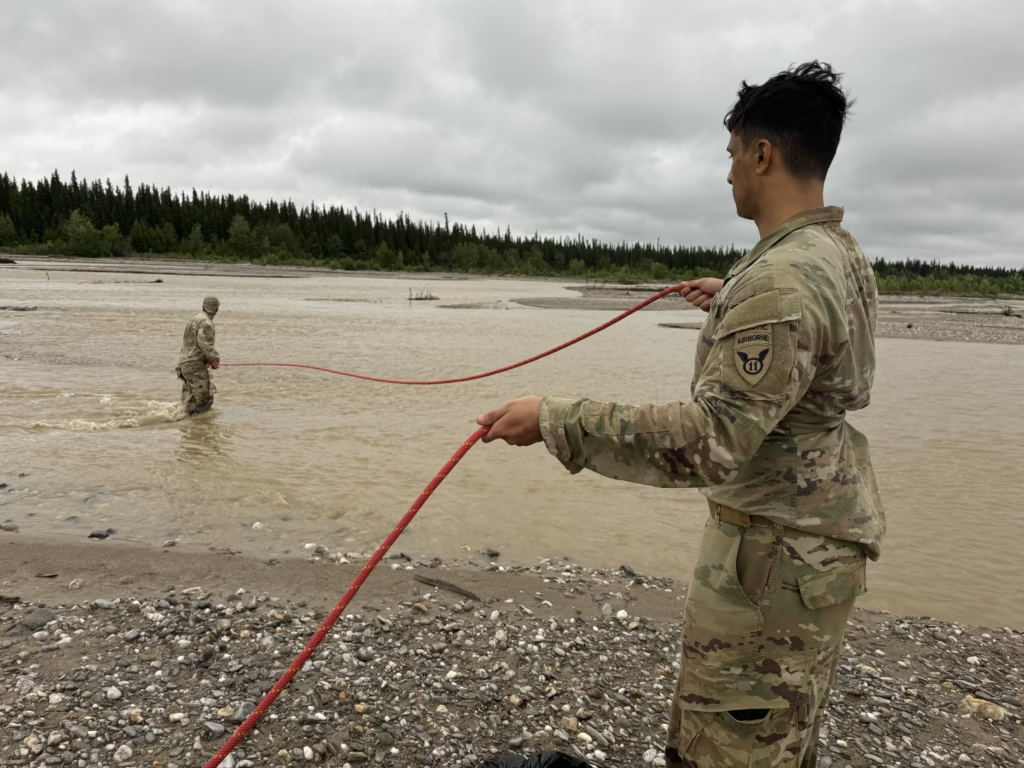
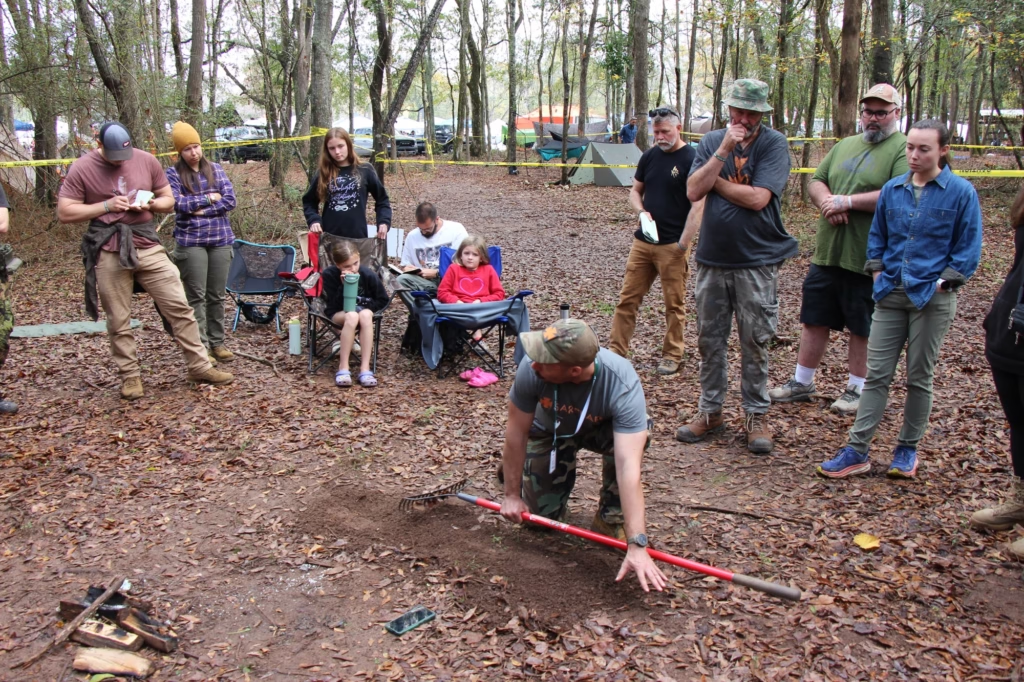
(Image does not imply official Department of Defense endorsement)
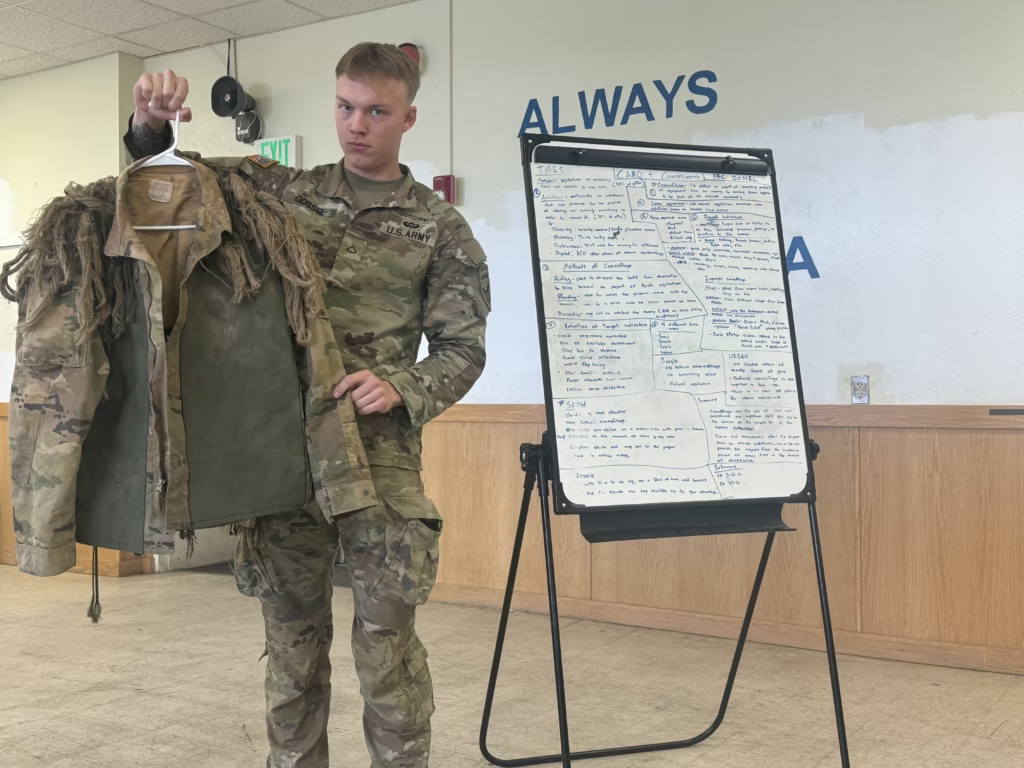
(Image does not imply official Department of Defense Endorsement)